
Describe the property
Send the location, symptoms, equipment and access details. State whether the work is a repair, replacement or planned project.
Need plumbing help in Norfolk? Tell us about the leak, blocked drain, fixture or water heater. A responding provider will confirm coverage and availability before booking.
Get A Free QuoteCompare tank and tankless capacity with household peak demand, seasonal guests, and any shared barn supply. If a pressure tank is present, ask whether it should be assessed as part of the heater scope.
View scopeDescribe affected fixtures and identify septic connections before choosing a clearing method. For a long buried run or recurring blockage, ask whether camera inspection can help locate the problem before excavation.
View scopeDocument existing pipe material, leaks, and outbuilding needs. Compare PEX or copper routing, cold-area protection, work sequencing, and any approvals or inspections relevant to the project.
View scopePlan fixture connections around room use, shut-off access, and drainage. For a seasonal cottage, compare drain-down and spring restart requirements; use available water test results when selecting materials.
View scopeRecord pump cycling and photograph the pressure tank, switch, and visible valves. For a suspected buried well line, ask whether section isolation or acoustic locating can narrow the investigation.
View scopeCompare pump capacity, discharge route, check valve, and backup power. If a backwater valve is being considered, confirm the project requirements and applicable approvals before setting the scope.
View scopeUse a current laboratory report to compare softening, filtration, and UV options. For a seasonal property, include equipment drain-down and restart requirements in the proposed layout.
View scopeChoose water treatment from test results, not from assumptions about a location. If a Norfolk property uses a private well, obtain a current laboratory analysis and note the well type, existing treatment equipment, and any maintenance history. Hardness, iron, sulphur compounds, and bacteria require different approaches, and not every system needs every treatment stage. Ask how equipment capacity, pre-filtration, and maintenance follow the measured results. For a seasonal cottage, include winter drain-down and spring restart requirements when comparing system layouts.
Compare tank and tankless capacity with household peak demand, seasonal guests, and any shared barn supply. If a pressure tank is present, ask whether it should be assessed as part of the heater scope. Describe affected fixtures and identify septic connections before choosing a clearing method. For a long buried run or recurring blockage, ask whether camera inspection can help locate the problem before excavation. Document existing pipe material, leaks, and outbuilding needs. Compare PEX or copper routing, cold-area protection, work sequencing, and any approvals or inspections relevant to the project.
Plan fixture connections around room use, shut-off access, and drainage. For a seasonal cottage, compare drain-down and spring restart requirements; use available water test results when selecting materials. Record pump cycling and photograph the pressure tank, switch, and visible valves. For a suspected buried well line, ask whether section isolation or acoustic locating can narrow the investigation.
Compare pump capacity, discharge route, check valve, and backup power. If a backwater valve is being considered, confirm the project requirements and applicable approvals before setting the scope. Use a current laboratory report to compare softening, filtration, and UV options. For a seasonal property, include equipment drain-down and restart requirements in the proposed layout.
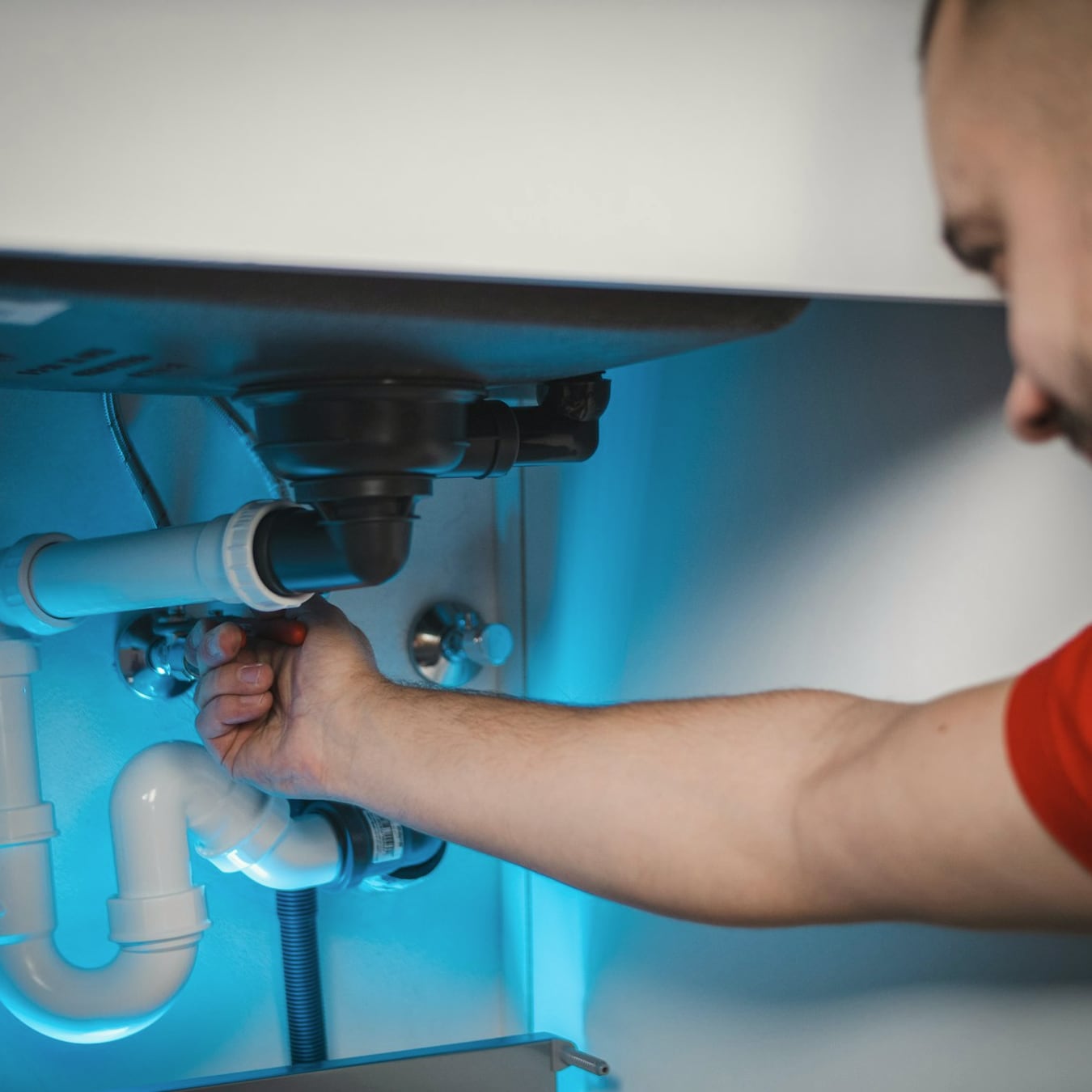
A recurring blockage may come from buildup in a kitchen branch, roots entering a lateral, or a problem on a septic-connected line; the right investigation depends on the symptoms and the property’s system. In Norfolk, describe which fixtures are affected, how often the drain backs up, and whether the home uses septic. For a long buried run, ask whether a camera inspection can help locate the obstruction before excavation is considered. Confirm what clearing method is proposed and how it suits the line and its destination.
Explore this serviceSend the location, symptoms, equipment and access details. State whether the work is a repair, replacement or planned project.
The request is reviewed so the responding provider can clarify the work, property access and service coverage.
Agree the provider identity, qualifications, written scope, pricing and visit window directly. Sending a form does not confirm an appointment.
If the fixture is in a cottage that closes for winter, identify the shut-offs and any low points that may retain water. Ask how the fixture and its supply lines could be drained, and how the arrangement would be restarted in spring. Accessible shut-offs and a clear drain-down plan can affect where fittings are placed and what work is needed.
If the property uses septic, identify the tank, cleanout, and direction of the line before work is scoped. Ask how the proposed clearing method suits the pipe and avoids pushing material toward sensitive parts of the system. Those details can affect both the equipment selected and whether further inspection is appropriate.
List the household and outbuilding taps that must remain usable, and note work routines that depend on water. Ask for the proposed sequence of pipe replacement and when each part of the property would be shut off. On a working property, staging the work can change the scope and help set realistic expectations for daily water access.
If you suspect a leak between the wellhead and pressure tank, sketch the pipe route and mark wet ground or other visible changes. Ask whether the line can be isolated by section before any digging. Narrowing the suspected area can affect the locating method and excavation scope, especially when the buried run crosses a large property.
Before spring melt or winter, inspect the pump’s operation, float movement, check valve, and discharge outlet. Ask what checks are appropriate for the equipment and whether worn parts should be replaced based on their condition. A clear maintenance list helps distinguish routine inspection from repair and makes seasonal preparation easier to plan.
Use the form to describe the property, the symptoms and the work requested. For Simcoe, Delhi, Port Dover, Waterford, include your postal code so local coverage can be checked.
If your location is not listed, include its postal code with the requested work. Coverage, travel arrangements and scheduling must be confirmed directly with the provider.